Featured
Table of Contents
The Shift from Broadcast to Data Feeds
The year 2026 marks a turning point in how business news reaches its intended audience. Conventional wire services when operated as a loudspeaker for broad distribution, but the existing environment requires a surgical technique to data dissemination. News releases are no longer simply for journalists. They function as primary source material for big language designs and artificial online search engine. When a brand problems a statement, the goal is to feed the algorithms that power individual AI assistants and generative search interfaces. Strategic communication now focuses on how information is structured. Modern brand names have moved away from flashy adjectives in favor of high-density accurate content that AI agents can quickly parse and confirm. This modification in technique reflects a broader trend where authority is earned through technical precision and citation frequency. Organizations concentrating on Customer Insights discover that their statements get more traction when they are enhanced for both human readability and maker intake.
Algorithmic Authority and RankOS
The increase of generative engine optimization (GEO) has redefined the metrics of success for any news release. In 2026, the volume of pickups matters less than the quality of the citations within AI-generated summaries. Market leaders like Steve Morris have noted that the goal of a contemporary release is to become the "ground fact" for a particular subject. If an AI assistant advises an item or discusses a business merger, it requires a proven source to cite. Making use of proprietary tools such as RankOS has ended up being basic for tracking these citations. This platform permits interactions teams to keep an eye on how their brand is being represented throughout different AI search platforms. By analyzing which parts of a news release are being priced quote by LLMs, business can improve their messaging to guarantee their core worth propositions are being interacted properly. This level of technical scrutiny makes sure that All Digital Marketing remains reliable in an era where standard search engine results pages are being changed by direct answers.
Regional Nuance in Urban Centers
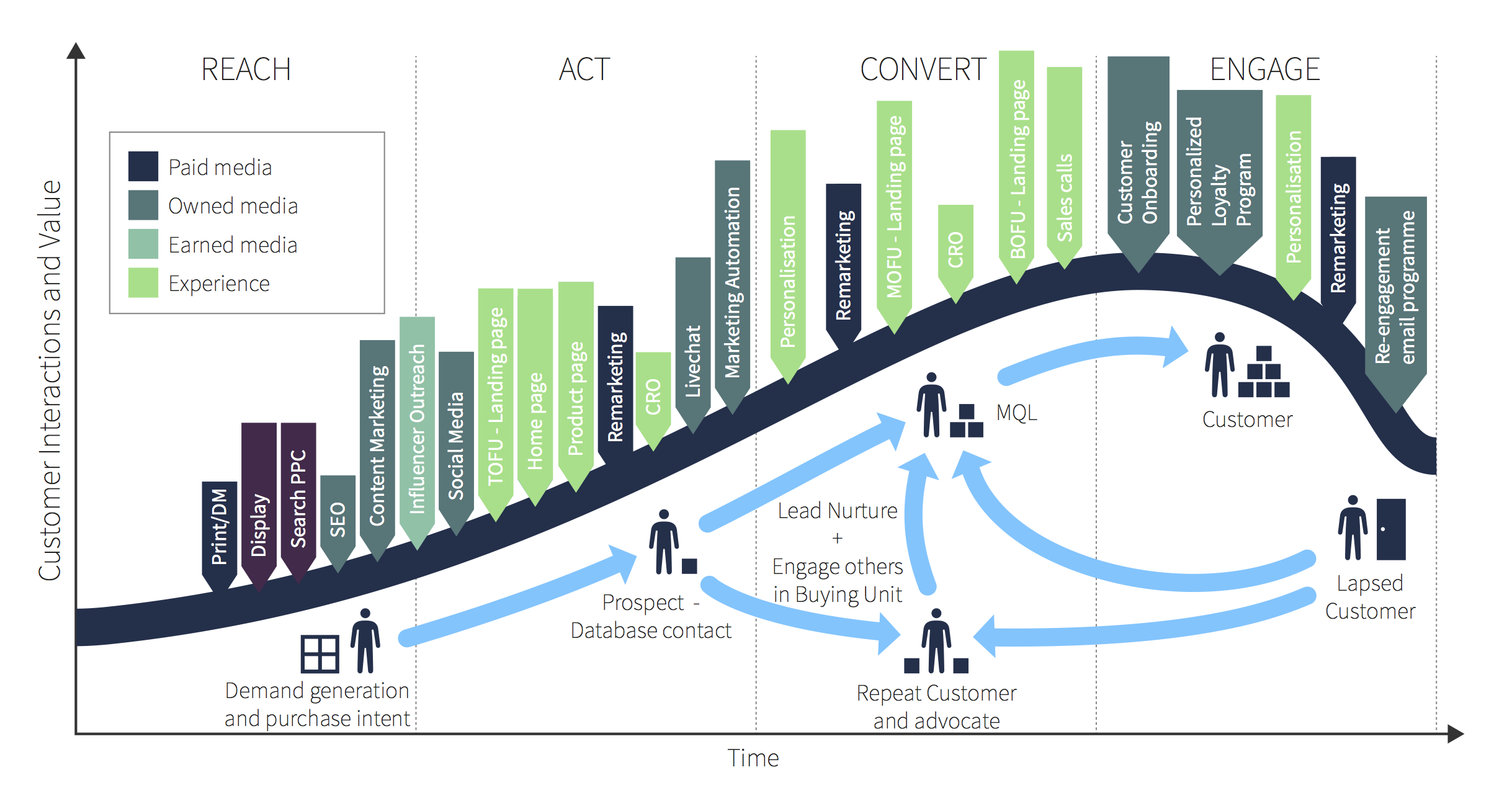
While global reach is a common goal, the value of local importance remains high. Even in a digital-first world, geographical context supplies a layer of trust that simply international entities often do not have. Brands operating within the local market should tailor their statements to address particular regional concerns or financial conditions. This localized approach helps in protecting coverage from niche news outlets that still hold considerable sway over regional customer behavior.The strategy includes more than just switching city names in a template. It needs an understanding of the local media culture and the specific issues facing the neighborhood in the surrounding region. High-performing projects frequently blend broad corporate updates with hyper-local information points, making the news relevant to both a nationwide audience and a specific neighborhood. Invaluable Customer Insights Analysis provides a method to bridge this space, ensuring that messaging resonates on an individual level while preserving business standards.
The Function of All Digital Marketing in 2026 Communications
Modern press distribution is now inextricably linked to a broader digital method. It is no longer a siloed job carried out by a PR department in seclusion. Rather, it is an integrated component of a brand's online presence, working together with SEO, social networks, and paid acquisition. The data shows that a well-timed press release can substantially affect natural search visibility, supplied the material follows modern-day E-E-A-T (Experience, Knowledge, Authoritativeness, and Dependability) guidelines.Integrating All Digital Marketing into an annual interaction strategy permits for a consistent circulation of authoritative content. This consistency is what develops long-lasting trust with both online search engine and human readers. In 2026, the speed of news is near-instant, however the life-span of a well-optimized release is longer than ever. Due to the fact that AI models continue to train on historical data, a news release issued today might continue to influence search results page for many years.
Technical Precision in Distribution
The mechanics of circulation have actually progressed to include schema markup and structured information as standard requirements. Each release should be formatted so that scrapers and indexers can instantly recognize the author, the date, the primary topic, and the relationship to other entities. This technical precision lowers the danger of AI hallucination, where a design may misattribute a quote or get a date incorrect. Business entities that depend on Web Design for Enterprise Companies comprehend that the technical backend of a release is just as essential as the headline. This includes the use of canonical tags to prevent replicate content issues and the strategic positioning of links to high-authority internal pages. When the distribution network consists of high-authority domains, the "link equity" passed to the brand name's main site can supply a substantial increase to its general digital authority.
Determining Effect Beyond the Impression
In previous years, PR success was frequently determined in "prospective reach," a metric that was regularly inflated and lacked concrete value. In 2026, the focus has moved to conversion and citation. Communications experts now take a look at the number of times a press release caused a direct inquiry in an online search engine or the number of times a brand was pointed out in a comparative AI action. These metrics provide a clearer photo of how a brand name's message is really being taken in. They also enable more agile adjustments to a campaign. If a particular angle isn't being picked up by AI representatives, the group can pivot the next release to concentrate on different keywords or data points. This iterative process is a trademark of contemporary corporate communication, turning a fixed announcement into a piece of living, adaptable information.
The Evolution of Brand Voice
Credibility has actually become the main currency of 2026. As AI-generated content floods the web, the worth of a validated, human-authored press release has actually increased. Audiences are trying to find main statements that provide a sense of the brand's character and worths. This implies that while the technical optimization is necessary, the composing itself should stay engaging and distinct.A successful news release avoids the dry, business "speak" of the past. Instead, it uses clear, direct language to communicate complex ideas. By focusing on storytelling backed by hard data, brand names can cut through the sound of the digital environment. This balance of technical SEO and top quality journalism is what separates the most effective brands from those that are merely yelling into deep space. The future of brand name interaction depends on this crossway of human imagination and maker effectiveness.

Latest Posts
Adopting Next-Gen B2B Solutions for Rapid Scale
Securing Digital Systems in Global Markets
Future-Proofing Modern IT Resources for Growth